The Intelligence Imperative: Beyond Simple Connectivity
For Nigerian enterprises exploring the Internet of Things (IoT), the challenge has shifted. It is no longer simply about connecting devices to the internet. The real question for 2026 is this: how can Nigerian businesses build an IoT operational intelligence layer that turns global technological leaps into local, scalable, and profitable advantages? As global vendors at events like CES 2026 push the boundaries of what’s possible with AI, sensors, and edge computing, Nigerian leaders must look past the hardware to the strategic operational layer that makes these technologies work in a uniquely challenging and opportunistic environment.
The conversation is moving from basic telemetry to actionable intelligence. While the global IoT market continues its aggressive expansion, projected to reach $301 billion in 2024, success in Nigeria hinges on a more nuanced understanding. It’s about leveraging trends like unified device operations and AI-powered edge intelligence to solve persistent local challenges—unreliable power, infrastructure gaps, and the need for unprecedented operational efficiency. This analysis explores how the global innovations of 2026, from intelligent sensors to autonomous decision-making, filter into the Nigerian context not just as products, but as essential components of a modern industrial strategy.
Global Trends in 2026: Sensing, Thinking, and Acting at the Edge
The technological narrative for 2026, vividly demonstrated at global stages, centers on giving machines autonomous capability. This isn’t about incremental improvement; it’s a foundational shift in how systems are designed to operate.
- From Cloud-Dependence to Edge Autonomy: Leading industrial technology companies are showcasing solutions where data is processed locally. As Javed Khan of Aptiv explains, the goal is to enable devices to “sense, think, and act in real time,” bringing advanced computing directly to where data is generated. This move to the edge is critical for applications requiring immediate response, such as autonomous vehicle navigation or predictive maintenance on a factory floor, where waiting for a cloud round-trip is not feasible.
- AI as the Core of IoT Decision-Making: AI has transitioned from a buzzword to an operational necessity. In 2026, the focus is on predictive autonomy. For example, companies like Telit Cinterion are integrating NVIDIA’s AI infrastructure directly into IoT modules for mining and industrial automation, allowing heavy machinery to make real-time safety and efficiency decisions without human intervention. This shift means IoT deployments are judged not by data volume, but by the intelligence of the insights generated and actions taken.
- Unified and Simplified Global Operations: A key trend for scaling is the move toward unified device operations. Companies are abandoning a patchwork of management tools for a single layer that handles connectivity, updates, security, and diagnostics from one platform. Furthermore, connectivity itself is becoming an invisible, reliable infrastructure. The industry is moving toward “one SKU that works everywhere,” allowing enterprises to focus on the application, not the network. Standards like SGP.32 for eSIM management are crucial in enabling this global, flexible approach.
The Nigerian Reality: A Unique Landscape for Adoption
Translating these global ambitions into Nigerian success requires a clear-eyed view of the local operating environment. The potential is enormous—Nigeria’s Industrial IoT market is growing at over 25% annually—but the pathway to value is distinct.
Persistent Challenges as Innovation Catalysts:
- Infrastructure Constraints: Intermittent power and inconsistent network coverage make a pure cloud-reliant model risky. This makes the global trend toward edge computing and low-power wide-area networks (LPWAN) not just attractive, but essential. Processing data locally ensures operations continue and reduces dependency on expensive, always-on cellular data.
- Economic and Competitive Pressure: With high operating costs and competition from imports, Nigerian manufacturers are driven to seek efficiency gains of 20-30% in productivity and maintenance, which IoT and smart manufacturing directly target. This economic pressure turns technology from an expense into a survival tool.
- The Skills Gap: While there is growing technical talent, the deep expertise required to manage global IoT deployments—understanding modem behavior, power optimization, and complex debugging—is scarce. This increases the value of partnerships with providers who can offer this expertise as a service.
A Maturing Ecosystem Ready for Scale: Despite challenges, the ecosystem is maturing. Government digital transformation initiatives and growing foreign investment are creating a more supportive environment. Nigerian businesses are increasingly adopting cloud-based solutions for agriculture, logistics, and banking, relying on robust connectivity partners to bridge the last mile. The question is no longer if IoT is viable, but how to architect deployments for maximum resilience and return.
Why a Framework for IoT Operational Intelligence is Non-Negotiable for Nigerian Enterprises
For a Nigerian enterprise, the strategic response involves building layers of intelligence that align global capabilities with local realities.
1. Architect for Resilience First
- Design Hybrid and Edge-First Networks: Choose solutions that can operate on LPWAN (like LoRaWAN) for dense, low-power sensor networks and cellular (including 5G for future readiness) for mobile or critical assets. Prioritize hardware and platforms with built-in edge processing to ensure core functions remain operational during network outages.
- Embrace Unified Operations Platforms: Invest in or partner for a management platform that provides a single pane of glass. As noted by industry analysts, “Unified operations are no longer a nice-to-have—they’re the baseline for any connected product that aims to scale beyond a pilot”. This simplifies the complexity of managing thousands of devices across diverse locations.
2. Focus on Operational Intelligence, Not Just Data
- Start with a High-Value, Defined Workflow: Follow the lead of global manufacturers who are applying a top-down, disciplined approach to AI and IoT. Identify one or two processes where autonomy can deliver wholesale transformation, such as predictive maintenance for generator fleets or real-time quality control in packaging.
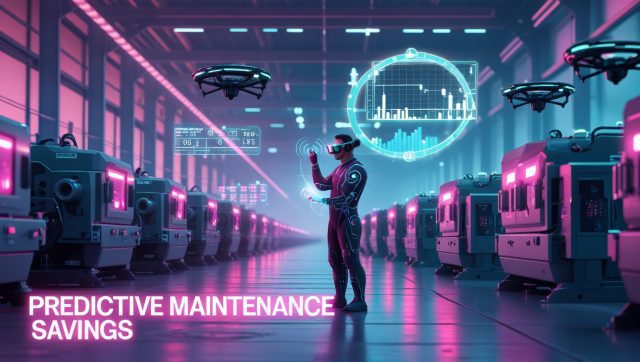
- Deploy AI for Predictive Outcomes: Move beyond monitoring to prediction. Use AIoT systems to analyze sensor data from manufacturing equipment to forecast failures before they happen, minimizing costly downtime. In agriculture, use soil and weather sensors with machine learning to optimize irrigation and pesticide use, directly improving yield.
3. Forge Strategic Partnerships for Scale
- Leverage External Expertise: Given the complexity, partner with IoT enablers who provide not just connectivity, but managed services covering hardware, global connectivity management, security, and ongoing technical support. This fills the critical skills gap and reduces time-to-market.
- Insist on Global Standards and Flexibility: Ensure your chosen technology stack uses standards like SGP.32 eSIM, which allows for remote provisioning and switching of network profiles over the device’s lifetime. This protects your investment against changing local network conditions or operator agreements and is key for “single-SKU” global hardware deployments.
A Fictional Anecdote: The Lagos Bottling Plant
Imagine the operations director at a major bottling plant in Lagos. For years, unexpected breakdowns on the filling line meant lost production and frantic, costly repairs. After deploying vibration and thermal sensors with edge-AI capability, the system now analyzes machine health in real-time. Last quarter, it predicted a bearing failure on a primary conveyor 72 hours before it would have seized. Maintenance was scheduled during a planned stop, avoiding an estimated 48 hours of downtime and saving millions in lost revenue. This is the shift from reactive data to proactive operational intelligence.
The Strategic Path Forward
The convergence of AI-powered edge intelligence, unified operations, and resilient connectivity defines the 2026 IoT landscape. For Nigerian enterprises, this presents a decisive opportunity. The technologies showcased globally are not mere gadgets; they are the components of a new operational nervous system.
The enterprises that will lead are those that stop asking “how do we connect our devices?” and start asking “how do we build an intelligent layer that makes our entire operation more adaptive, efficient, and competitive?” They will architect for Nigeria’s unique constraints, focus on intelligence over data throughput, and leverage strategic partnerships to bridge expertise gaps.
The future of Nigerian industrial competitiveness will be written not by those who import the most advanced sensors, but by those who most effectively embed global intelligence into local operations. The transformation begins at the edge.
FAQs: IoT and Intelligent Operations in Nigeria
1. What is the most important IoT trend for Nigerian businesses to consider in 2026?
The critical trend is the shift from basic connectivity to operational intelligence. This means focusing on IoT solutions that provide predictive analytics and automated decision-making at the edge of the network, which is vital for overcoming unreliable connectivity and gaining real-time operational advantages.
2. How can Nigerian factories justify the investment in IoT and smart technology?
Investment is justified through clear, quantifiable returns. Nigerian factories face specific high costs from unplanned downtime, energy waste, and quality control issues. IoT monitoring directly addresses these, with documented potential to improve productivity by 20-25% and reduce maintenance costs by 30%. Starting with a focused pilot on one high-cost problem can demonstrate ROI before scaling.
3. With frequent power outages, is a cloud-based IoT model feasible in Nigeria?
A pure cloud-dependent model is risky. The modern approach is a hybrid edge-cloud architecture. Critical processing and immediate decision-making happen locally on the device or a nearby gateway (edge computing), ensuring operations continue during outages. The cloud is then used for deeper analytics, long-term storage, and system-wide oversight.
4. What should we look for in an IoT partner for a Nigeria-wide deployment?
Seek a partner that offers more than just SIM cards. You need a provider with expertise in unified device management platforms, experience navigating Nigeria’s multi-network landscape for reliable connectivity, and strong capabilities in security and data governance. They should act as an extension of your team, simplifying complexity.
Stay ahead of the curve on industrial technology and AI strategy. Subscribe to the CreedTec Insights newsletter for monthly analysis on how global tech trends translate into actionable strategies for growth and efficiency.
Fast Facts: For Nigerian enterprises in 2026, successful IoT adoption isn’t about connecting more devices—it’s about building a layer of IoT operational intelligence. This requires leveraging global trends in edge AI and unified management to solve local challenges like power instability and the need for deep efficiency gains. The winning strategy involves architecting for resilience, focusing on predictive outcomes, and forging partnerships that provide expertise and simplified scale.
Further Reading & Related Insights
- How to Protect Industrial IoT from Botnet Attacks → Complements the focus on resilience by addressing cybersecurity threats that undermine IoT operational intelligence.
- Why IoT in 2026: Regulatory Standards and Growth → Connects to the regulatory and governance layer, showing how compliance shapes IoT deployment strategies.
- Audit-Driven IIoT Adoption Crisis → Highlights adoption challenges and governance gaps, aligning with Nigeria’s skills and infrastructure constraints.
- How to Fix IIoT Data Latency and Achieve Real-Time Visibility → Directly ties into the article’s emphasis on edge-first architectures and predictive outcomes.
- Industrial IoT Platform Driving Emerging Market Growth → Provides context on how IoT platforms are scaling in emerging markets, reinforcing Nigeria’s opportunity for industrial competitiveness.