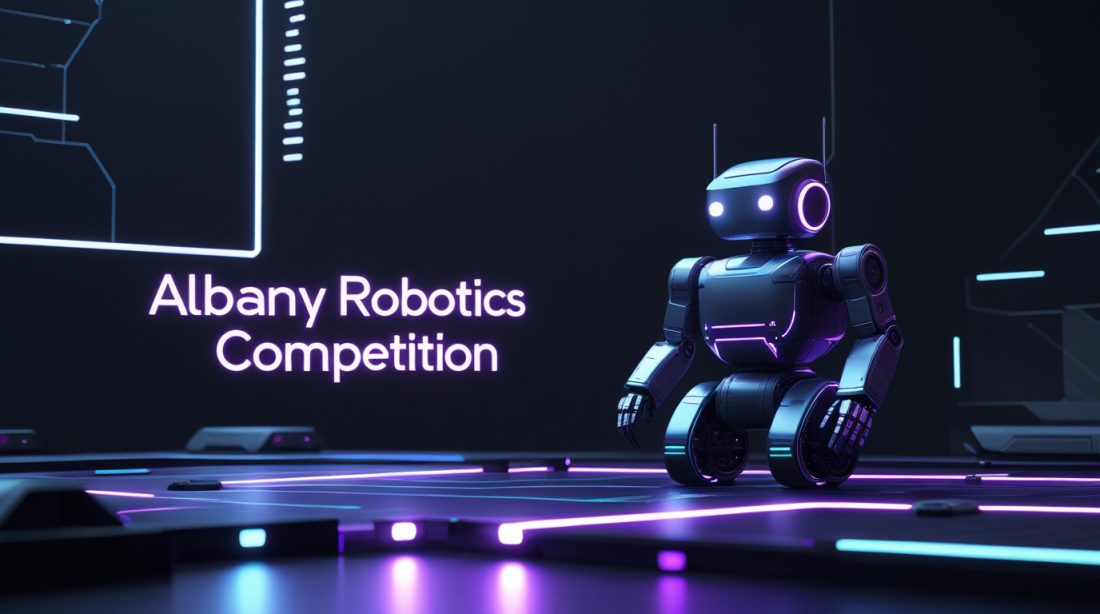
Beyond the thrill of competition, the 2026 Albany Robotics Competition qualifiers represent a vital proving ground for the next generation of engineers and programmers who will design and maintain tomorrow’s automated industrial systems. Events like the FIRST Robotics Competition at the Albany Academy are where theoretical knowledge meets practical, high-pressure application, forging a talent pipeline directly into advanced manufacturing, logistics, and smart infrastructure.
- Event Core: Albany Academy hosts a FIRST Robotics Competition qualifier, where teams operate robots in a game-like challenge involving autonomous and driver-controlled periods.
- Diversity Focus: All-girl teams like the Techno Chix participate, highlighting efforts to broaden participation in engineering fields.
- Skill Development: Students gain hands-on experience in mechanical design, programming, and strategic problem-solving under strict deadlines.
- Industry Pipeline: These competitions function as a direct feeder system, developing the practical skills required for careers in automation and intelligent systems.
Why the Albany Robotics Competition is a Critical Test for Industrial Talent
The intensive preparation undertaken by teams like Albany High’s Falcons, who began their 2026 build season with day-long design brainstorming sessions, mirrors the project lifecycle in professional automation engineering. Students aren’t just building robots; they are managing complex projects that require integration of mechanical hardware, sensor systems, and code. The upcoming New York Tech Valley Regional at Albany’s MVP Arena, which will host 56 international teams, transforms the city into a hub for this practical technical exchange. This environment is where future system integrators and robotics technicians first learn to troubleshoot and innovate under constraints.
Why Gender Diversity in Robotics Builds Stronger Systems
The presence and persistence of teams like the Techno Chix, an all-girl team with over two decades of history in the competition, points to a crucial shift. Their mentor, Angela Bediako, articulates a powerful dual mission: bringing women into STEM while demonstrating that femininity and engineering expertise are not mutually exclusive. From an analytical standpoint, diverse teams are proven to foster greater innovation and identify a wider range of solution paths.
When competitions actively support groups historically underrepresented in engineering, they do more than promote equity; they actively strengthen the problem-solving capacity of the entire future workforce. This aligns with broader academic discussions, such as those at the 2026 Symposium on Women, Gender, Sexuality and Technologies at RIT, which examine how diverse perspectives shape technological creation.
Why the “Skills Pipeline” is More Than a Metaphor
The progression from local qualifiers to championships creates a tangible talent funnel. Teams that excel in Albany aim for the New York Regional Championship in Utica and, ultimately, the FIRST World Championship in Houston. Similarly, other major tournaments like the 2026 CREATE U.S. Open in Iowa serve as massive convergence points for top talent. The skills honed here—precision programming for autonomous operation, real-time strategic adjustment, and iterative mechanical design—are directly transferable to industrial settings. As Keri Phipps, a robotics coach in Maine, observes, students develop not just technical ability but indispensable soft skills: “The building, the teamwork, the communication, the sportsmanship, all of that is really important for real life and work ethic“.
Table: Key 2026 Robotics Events and Their Industrial Relevance
Why This Shapes the Future of Work
The trajectory from these competitions to industry is clear. Major conferences like the Robotics Summit in Boston and ICRA in Vienna, which connect research to commercial applications, are the natural next destinations for these students. The analytical takeaway is that investments in these educational competitions yield direct returns in workforce readiness. They create individuals accustomed to working with collaborative robots (cobots), programming automated workflows, and analyzing system performance data—the cornerstone competencies for the modern factory floor or distribution center. When a team like the Robovines perfects its robot’s autonomous scoring sequence, they are engaging in the same iterative debug-and-optimize cycle used to refine a production line’s efficiency.
Looking Ahead: From the Competition Floor to the Factory Floor
The narrative emerging from Albany and hundreds of similar venues is one of a highly effective, experiential training ground. The students designing and coding their way through these challenges are not just playing a game. They are developing the foundational logic, technical dexterity, and systems-thinking mindset required to deploy and maintain the automated and intelligent systems that will define the next era of industry. Supporting these initiatives is not merely an educational concern; it is a strategic investment in the core human infrastructure of technological advancement.
Further Reading & Related Insights
- Naperville All-Girls Robotics Team → Complements the diversity focus by showcasing another all-girls robotics team, echoing the Techno Chix story.
- Agibots Open-Source Robotics Simulation Platform → Highlights open-source robotics tools, connecting to how competitions foster accessible innovation.
- Lyte’s Visual Brain for Robotics → Explores advanced robotics perception systems, aligning with the skills students develop in competitions.
- Industrial AI Strategy Analysis: How Robots, Tariffs, and Human Skills Define 2026’s Competition → Provides industrial context, linking student robotics training to global AI workforce strategies.
- Three Lives of a Robot: Industrial AI → Examines the lifecycle of industrial robots, reinforcing the pipeline from student competitions to factory floors.
Frequently Asked Questions
What is the Albany robotics qualifier and why is it significant?
It is a FIRST Robotics Competition event where student teams compete to advance to regional and world championships. Its significance lies in providing hands-on, project-based experience in robotics engineering, directly developing the technical and problem-solving skills needed for advanced industrial careers.
How do robotics competitions like this one promote diversity in tech fields?
They create visible, supportive platforms for underrepresented groups. Teams like the Techno Chix demonstrate that engineering is an inclusive field, actively working to break down stereotypes and build a more diverse and innovative future workforce.
What specific industrial skills do students learn in these competitions?
Students gain practical expertise in key areas including autonomous system programming, mechanical and electrical design, real-time systems control, strategic project management, and collaborative problem-solving under strict deadlines—all directly applicable to automation engineering roles.
Where can I learn more about major robotics industry trends and events?
Industry conferences like the Robotics Summit & Expo in Boston and ICRA (International Conference on Robotics and Automation) provide insights into commercial and research trends. Lists of key events for 2026 are available from industry sources