IoT in 2026 Is About Surviving Pressure, Not Adding Devices
IoT in 2026 regulatory standards and growth will be defined less by how many devices are connected and more by whether those devices can operate under regulatory pressure, fragmented networks, and rising expectations for intelligence. Decisions being made now—late 2025 into early 2026—are quietly locking enterprises into architectures that will either remain viable for a decade or fail under compliance, security, and integration stress.
The era where connectivity alone justified IoT investment is closing. What replaces it is a stricter phase of accountable growth, where every connected asset must prove it is secure, interoperable, updatable, and capable of delivering decision-grade data. This shift is structural, not cyclical, and it explains why IoT strategies that worked five years ago are becoming liabilities.
This analysis explains why IoT in 2026 is tightening, what forces are driving the change, and how organizations can adapt before regulatory and technical pressure turns growth into drag.
Fast Facts
IoT in 2026 enters a pressure-driven phase shaped by enforceable security regulations, fragmented global connectivity, and the rising need for reliable data to support automated decision systems. Growth continues, but only for deployments designed around compliance, standards, and intelligence—not raw device counts.
Why IoT Strategy Must Evolve Before 2026
Global IoT deployments continue to expand, but the conditions surrounding that growth have changed fundamentally. Three forces are converging:
First, regulatory enforcement is accelerating. Cybersecurity, data protection, and infrastructure resilience requirements are moving from recommendations to obligations. Non-compliant devices are no longer just risky—they are increasingly undeployable.
Second, connectivity is fragmenting. Differences in cellular rollouts, roaming rules, and standards evolution mean long-lived devices must operate across uneven network environments for years.
Third, the value of IoT has shifted upstream. Enterprises are no longer rewarded for collecting data; they are rewarded for acting on it. IoT now exists to support predictive maintenance, automated optimization, and autonomous operations, all of which demand reliable, well-governed data.
Together, these forces explain why IoT in 2026 is less forgiving. Scaling without structure now amplifies risk instead of return.
Why Regulation Becomes a Core Design Constraint in 2026
By 2026, compliance is no longer an IT afterthought. It is an architectural requirement.
Regulatory frameworks focused on product security, network resilience, and data sovereignty are redefining what qualifies as an acceptable connected device. Secure-by-design principles, long-term software updateability, and auditable data flows are becoming baseline expectations.
For industrial deployments, this changes procurement and design logic. Devices that cannot be patched securely over their lifecycle become stranded assets. Platforms that treat security as an add-on introduce systemic exposure. Integration timelines lengthen as compliance gaps surface late.
The strategic implication is clear: compliance is now a growth filter. Organizations that design for regulatory alignment early move faster later. Those that do not are forced into reactive redesigns under deadline pressure.
For a deeper overview of how regulatory pressure is shaping the IoT landscape, see this analysis from IoT Business News
Why Standards and Interoperability Decide Long-Term Viability
As IoT ecosystems expanded, proprietary protocols and closed platforms created short-term differentiation at the cost of long-term fragility. In 2026, that trade-off no longer works.
Standards reduce integration debt. They enable multi-vendor environments, simplify security enforcement, and make it possible to evolve systems without replacing hardware. In regulated environments, standards also provide a shared baseline for demonstrating compliance and risk controls.
This matters because industrial IoT assets often remain deployed for ten to fifteen years. Architectures built without standards alignment struggle to adapt as regulations, analytics requirements, and networks evolve. What looked innovative early becomes brittle later.
Standardization in IoT is not about slowing innovation. It is about ensuring that innovation survives contact with reality.
For context on emerging interoperability efforts, see this overview of IoT standards development
Why the “Great Re-Alignment” in Connectivity Is Accelerating
One of the least visible but most important shifts shaping IoT in 2026 regulatory standards and growth is the retreat from do-it-yourself connectivity models.
Managing global IoT connectivity now requires navigating roaming constraints, uneven 5G rollouts, evolving eSIM standards, and regional regulatory differences. For many enterprises, this complexity has crossed a threshold where internal teams can no longer manage risk effectively.
The result is a “great re-alignment” toward managed connectivity services. These models abstract network complexity, provide a single point of accountability, and increasingly embed compliance tooling directly into the connectivity layer.
This shift is defensive, not fashionable. It reflects the reality that connectivity volatility now poses strategic risk, especially for assets expected to operate across multiple regulatory regimes for years.
An industry perspective on this realignment is discussed here
Why IoT Growth Now Depends on Intelligence, Not Telemetry
In earlier phases, IoT growth was measured by deployment scale. In 2026, growth is measured by decision impact.
The fastest-expanding segment of the IoT economy is integration—connecting device data into maintenance systems, planning tools, energy platforms, and automated workflows. Without this integration, sensors generate cost without leverage.
Artificial intelligence accelerates this shift. Automated systems rely on IoT data as their physical anchor—the ground truth that prevents models from drifting away from operational reality. In this context, data quality, context, and reliability matter more than volume.
This is why IoT projects increasingly fail when planned forward from devices. Successful deployments plan backward from decisions: what needs to be optimized, what must be predicted, and what data is required to do so safely.
Edge Intelligence as a Response to Regulation and Latency
Edge processing is becoming essential, not optional.
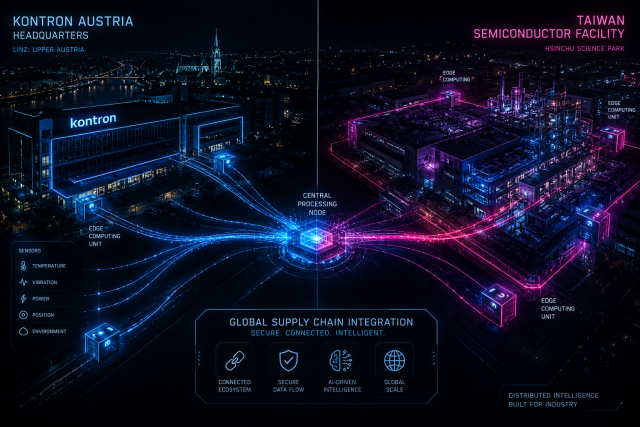
Processing data closer to the source reduces latency, limits unnecessary data transfer, and supports compliance with data localization and privacy requirements. For industrial environments, edge intelligence also improves resilience when connectivity is intermittent or constrained.
By 2026, edge intelligence is less about branding systems as “AI-powered” and more about ensuring that critical decisions can be made reliably under real-world conditions.
Personal Anecdote
Fictional anecdote for illustrative purposes.
In late 2025, a utilities operator reviewing its sensor network realized that its biggest vulnerability was not coverage but trust. Data inconsistencies and unpatched firmware meant analytics outputs could not be automated safely. The subsequent redesign reduced sensor expansion plans but invested heavily in standards alignment, updateability, and data governance. Within a year, automation increased—even though device count barely changed.
Strategic Imperatives for IoT in 2026
Several priorities emerge clearly.
Security and compliance must be designed in from the start, not retrofitted. Connectivity risk should be abstracted through managed services where possible. IoT architectures should be built around intelligence outcomes, not device counts. And partners should be evaluated on their ability to support long-term evolution, not just initial deployment.
IoT assets are no longer experimental. They are regulated, long-lived components of industrial systems.
Frequently Asked Questions
What is the biggest challenge for IoT in 2026?
Aligning security, compliance, and long-term maintainability without slowing deployment.
Is 5G mandatory for industrial IoT?
No. Reliability and longevity matter more than peak performance for many use cases.
Why are enterprises moving away from DIY connectivity?
Because network fragmentation and regulatory complexity now outweigh cost savings.
How should IoT projects be planned in 2026?
Backward from the decision or automation outcome, not forward from sensors.
The End of Speculative IoT Growth
IoT in 2026 marks the end of experimentation and the beginning of accountability. Growth continues, but it is filtered through regulation, standards, and the need for intelligence that can be trusted.
Organizations that adapt now are building durable digital nervous systems. Those that do not will discover that connectivity alone is no longer enough.
Subscribe Now
If you want ongoing analysis on how regulation, standards, and intelligence are reshaping industrial technology, subscribe to our newsletter for focused, signal-driven insight.
Further Reading & Related Insights
- AI Cybersecurity Threats to IoT Devices → Directly connects to the article’s focus on regulatory pressure and the need for secure-by-design IoT systems.
- Audit-Driven IIoT Adoption Crisis → Explores compliance and audit challenges, aligning with the theme of regulation as a growth filter.
- Connectivity-as-a-Service Transforms Industry 4.0 → Matches the “great re-alignment” in connectivity, showing how managed services mitigate fragmentation risks.
- How to Fix IIoT Data Latency and Achieve Real-Time Visibility → Reinforces the importance of edge intelligence and reliable data for decision-grade IoT outcomes.
- Best Industrial IoT Platform Comparison 2025 Guide → Provides context on standards and interoperability, critical for long-term viability of IoT architectures.